

Living in the Philippines means being exposed to a range of natural risks, from earthquakes and typhoons to floods and fires. Metro Manila alone sits on a fault line and is built on a floodplain, making it especially vulnerable. While these challenges are significant, there are practical steps you can take to better protect your home and loved ones, even if you can’t relocate or hire top-tier experts.
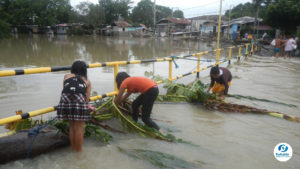
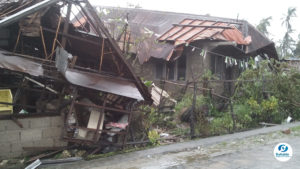
Many Filipinos live in high-risk areas. A good chunk of Metro Manila sits on top of the Marikina Valley fault line. Because the metropolis was built on a floodplain, it’s no wonder that many areas suffer from flooding. A tightly packed urban sprawl also increases the risk of fires. Other places in the country suffer from such risks.
To help you manage the challenges of living in a high-risk area, we’ve put together practical tips for minimizing property-related dangers.
Before we dive in, here are a few important caveats:
- You and your loved ones are unable to leave. The easiest way to deal with a high-risk location is not to live there. We will assume that you, for one reason or another, cannot readily leave your current place.
- Your budget is limited. If you have the funds, it’s easy to disaster-proof your home or business. We’ll assume you don’t have an unlimited budget.
Limited access to top talent. We’re assuming you don’t have a top-flight engineer, architect, or disaster mitigation specialist to help you. We’re looking at practical, even DIY solutions.
Earthquake Preparedness Tips
- Regular checks for defects. While this is common for disaster preparedness, checking the structural soundness of your property is a must for earthquake-proofing. Look most especially for cracks and damages on your walls, ceilings, and the roof. Repair them as soon as possible, as they can compromise your property’s structural integrity.
- Secure hazardous items indoors. Earthquakes can quickly turn the inside of your property into hazardous terrain as loose appliances, furniture, and items tip over. Securing them, especially by anchoring items like bookshelves, cabinets, and heavy decorations, is a must for general safety and quick evacuations.
- Remove outside hazards. Just as you secure the inside of your home or business, you can mitigate high-risk property dangers by securing or removing things like old or leaning trees and power lines that may become hazards during a quake.
Fire Safety and Prevention Tips
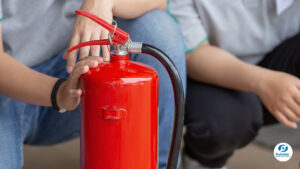
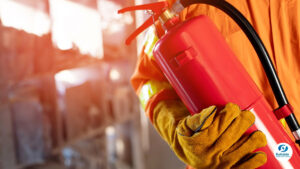
- Securely store flammable items. Everything from fuel sources, volatile chemicals, paint, and even paper documents should be stored in places well away and insulated from open flames and powerful electricity. This is especially important if children are frequently on the property.
- Never leave cooking unattended. Cooking is surprisingly a common cause of fires. When you, a family member, or a staff member are cooking, especially on an open stove, make sure it is never left unattended and that fuel sources are turned off after use.
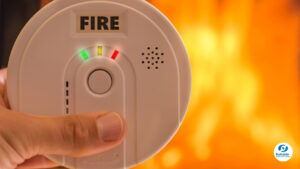
- Maintenance of electrical systems. Another cause of fires is accidents with electrical systems, like sparks from an open wire falling on unsecured flammable materials. Make sure electrical appliances are well away from anything that can easily catch fire and that their wires are not damaged.
If you wish to know more about how you can protect your property from fires, check out our article on the topic here.
How to Protect Your Property from Storms
- Look for leaks. You can mitigate flood and rainwater damage to your property by looking for leaks on the roof, walls, and foundations. Apply water sealant to any you find.
- Always keep your drainage clear. While it’s the government’s duty to maintain main drainage systems, you can help reduce flood incidence by keeping your private drainage cleared of blockages.
- Monitor the news. Unlike earthquakes or fires, storms are typically predictable, and their paths can be tracked in advance. Keep informed about storm developments and be ready to go to a safer place if advised by the authorities.
Check out our recent article on how to typhoon-proof your property for more.
Using Insurance as a Safety Net in High-Risk Areas
Having the right insurance coverage can make living in high-risk areas easier, or at least give you more peace of mind. It is, of course, always best to look at preventing disasters from happening, but it would help you rest easy knowing that you have all the bases covered, even for worst-case scenarios.
- If you’re new to the area, consider speaking with long-time residents. Ask your neighbors if they have insurance coverage for their property. Longtime residents would have a good idea about what dangers to look out for and could give you suggestions on what plans are best for you.
- Learn what risks are in your locale. To get the best insurance package for your circumstances, it would be best if you were aware of the most prevalent risks. Aside from your neighbors, checking in with your Barangay officials and even your local PNP station will help here.
- Understanding policy exclusions and inclusions. Most insurance policies have specific situations covered under basic protection. Knowing what situations are included in your plan and what are not is key to getting the right insurance for your needs and circumstances.
- Consider additional coverage. Depending on the risks within your neighborhood, you may need extended coverage beyond the basic protection of your policy. Some of these may require higher premiums, so be sure to budget for that.
- Regular Policy Reviews. The risks to your property can change over time. A periodic review of your coverage to make sure it protects you from key threats is always advisable.
For a comprehensive guide to our Property Insurance and to learn more about securing complete protection for your home or business, please visit: Navigating Property Insurance.
Ready to Protect Your Property? Let’s Talk
Living in a high-risk area comes with unavoidable challenges, but being prepared makes all the difference. From earthquake-proofing your home to storm and fire readiness, small proactive steps can go a long way. And with the right insurance coverage, you can face uncertainty with greater confidence. Reliable Insurance Brokers is here to guide you through every step, because protecting your home starts today.
Contact Information for Inquiries and Support
If you have any questions or need assistance with your insurance, feel free to reach out to us:
- Call: +63 2 8631 9285 to 86
- Mobile: +63 917 138 5120
- Email: info@reliable-insurance.ph
- Messenger: m.me/reliable.insurancebrokersph
Sources:
- Insurance Advisors of St. Louis (2024, December 29), How To Choose Insurance When Moving To High-Risk Areas.
- Insurance Information Institute (2025), What if I can't get coverage?
- Protect Your Wealth (2024, July 30), Life Insurance for People Living in High-Risk Areas.
- Point (2024, August 19), Strengthening structures: Tips for an earthquake-proof house.
- Government of Canada (2025), Reducing Earthquake Damage To Your Home.