

“Act of God”—you might’ve heard this term before and have a general idea it relates to disasters. But what does it really mean? In a country like the Philippines, where various dangers threaten your belongings, you need a clear understanding of what this term means, especially when choosing the right property insurance.
What Does “Acts of God” Mean?
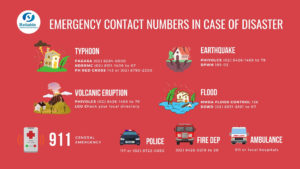
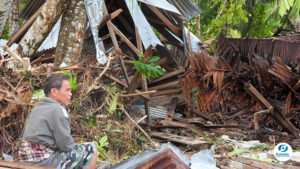
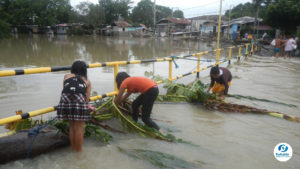
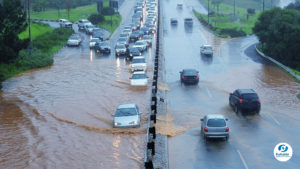
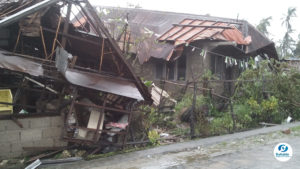
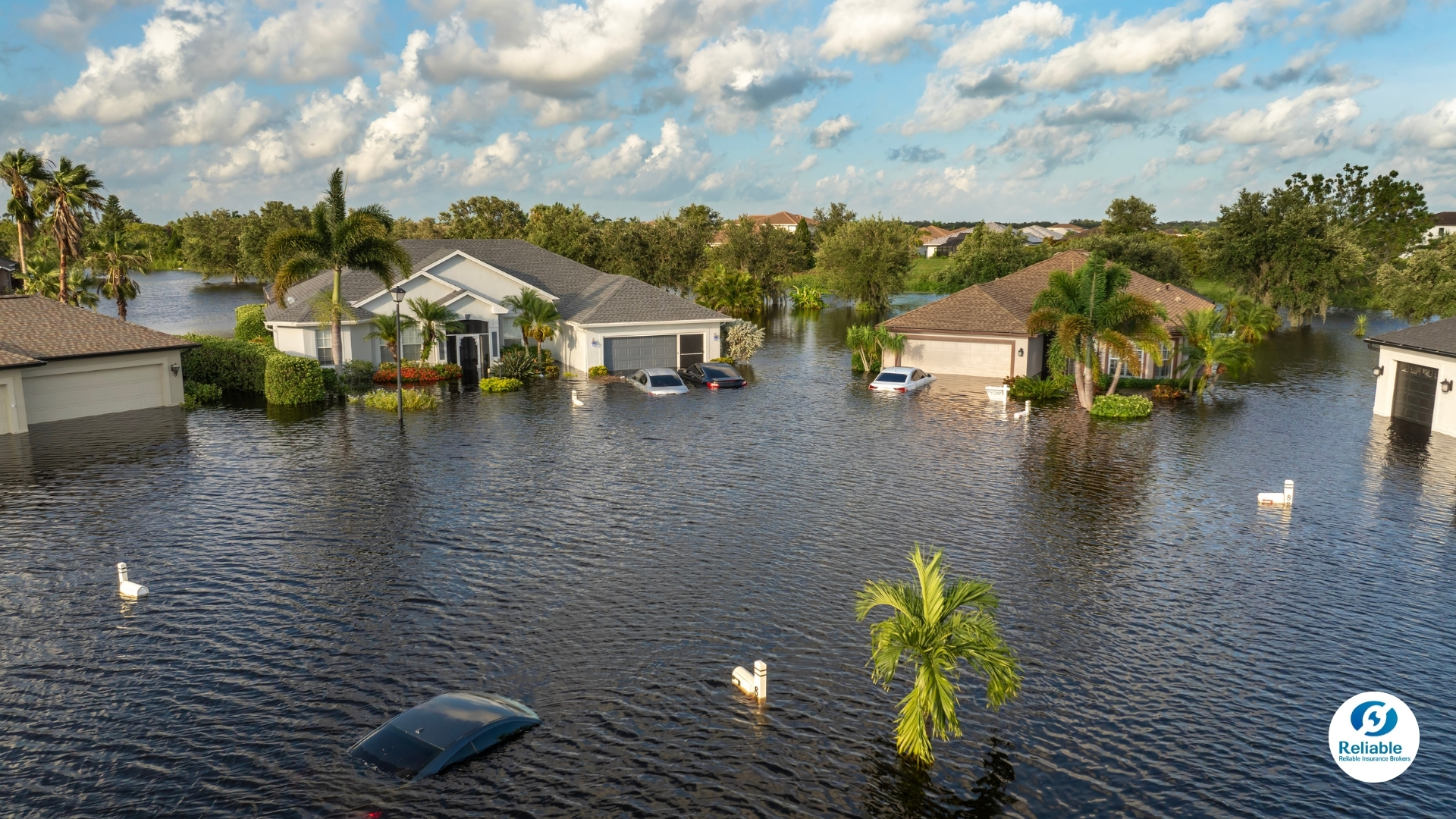
“Acts of God” is a simple phrase used to describe destructive events beyond human control. Often, this refers to natural disasters like typhoons, earthquakes, floods (which can be caused by events other than a typhoon), or, especially in the Philippines, volcanic eruptions.
The term is often linked to force majeure, which is what an Act of God is called in most contracts. Force majeure, however, is often legally linked to “extraordinary circumstances due to human behavior,” such as armed conflict, the spread of contagious diseases, and government lockdowns.
To avoid any implications that God causes such disasters, the Philippine Insurers and Reinsurers Association (PIRA) recommended the use of the term “Acts of Nature” after the 2009 flooding caused by Typhoon Ondoy.
Some examples of Acts of God or Nature include:
- Typhoon Ondoy. While typhoons are a normal part of life in this country, Ondoy dumping an entire month’s average rainfall in two days caught Metro Manila by surprise, overwhelming the capital’s flood control systems.
- The Taal and Kanlaon Eruptions. There is still no known way to accurately predict a volcanic eruption, as shown by the recent periodic activities at Taal and Kanlaon. Of particular concern to property owners is the damage heavy ashfall events can do, and some along the shores of Lake Taal had to abandon their properties due to the extreme risk involved.
- The 1990 Luzon Earthquake. This 7.8 shaker was the last devastating earthquake to rock the Philippines, causing untold damage and loss of lives, particularly in Central Luzon and the Cordillera.
What You Should Know About Acts of God Coverage
Does Comprehensive Insurance Cover Acts of God?
False. In the Philippines, Acts of God are often excluded from most types of car and property insurance.
Another key piece of information you should know is how most insurers “bundle” the Acts of God coverage. For cars, typhoons, floods, earthquakes, and volcanic eruptions are all in the extra premium. For most property plans, volcanic eruptions are often a separate premium, given the differences in extreme disaster threats all over the country. Not all homes or businesses are near a volcano.
Is Acts of God Coverage Automatic?
Conditional. Just because your property or car was damaged by Acts of God, it doesn’t mean your insurance will automatically cover the repairs or loss.
In most cases, the key fact to be established is whether you, as the owner, were negligent. This most often comes up in cars damaged by typhoons and floods, as these natural calamities often come with advance warnings—except perhaps for unexpected events like Ondoy.
Negligence still applies in cases of damage from volcanic eruptions, but conditions are generally more lenient, as such events are often unpredictable.
When you get an Acts of Nature coverage, it is often best to clarify with your insurer or agent what conditions will trigger the clause.
Is It Worth Paying for Acts of Nature Coverage?
True. Given the devastation and unpredictability of these natural disasters, Mt. Pinatubo was dormant for over 600 years, the cost of insuring your property will certainly be higher.
But costs for the premium vary between insurance companies and plans, plus the specifics of the coverage. It’s always best to get a provider who you can talk to about your particular concerns and needs to get the most out of your investment, especially in these times when they seem to occur more than usual.
Do You Really Need Acts of Nature Coverage?
If you think you are careful enough and practice safety to the extreme, then, sure, maybe you don’t need to get the premium on your insurance.
But if you want the peace of mind that comes with knowing you’re covered no matter what happens, or you simply want to offset the extreme repair or replacement costs for your damaged property in case of natural disasters, then it might be in your best interests to get the coverage.
Choosing the Right Acts of Nature Coverage
At Reliable Insurance Brokers, we know that deciding whether to get Acts of Nature coverage isn’t always easy. That’s why we’re here to guide you, explaining the fine print, helping you compare options, and ensuring your property or vehicle is protected when the unexpected happens. Let’s make sure your insurance works for you when you need it most.
Contact Information for Inquiries and Support
If you have any questions or need assistance with your insurance, feel free to reach out to us:
- Call: +63 2 8631 9285 to 86
- Mobile: +63 917 138 5120
- Email: info@reliable-insurance.ph
- Messenger: m.me/reliable.insurancebrokersph
Sources:
- PIRA, Inc. (2020, February 10), Your insurance and Acts of God — Things you need to know.
- Moneymax (2023, June 13), Acts of God Insurance: Are Your Assets Insured Against Natural Disasters?
- iChoose.ph (2020, January 31), Understanding the Act of God Insurance Coverage.
- Investopedia (2024, October 12), What Is an Act of God? With Examples, Insurance Coverage.