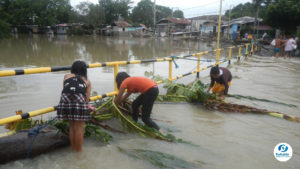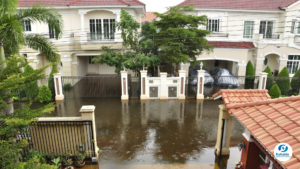



In the Philippines, typhoons, earthquakes, and floods are a reality. While we can’t prevent these natural events, we can take steps to protect ourselves and our loved ones. One essential way to prepare is by creating a well-stocked Emergency Grab-and-Go Bag—your personal safety kit that ensures you and your family can survive comfortably for several days until conditions improve.
Whether you’re a family of five, caring for seniors, or managing pets, this 3-step guide will help you build a practical, locally-friendly grab-and-go bag tailored to your needs.
Step 1: Pack the Essentials for Safety and Comfort
A well-packed Grab-and-Go Bag is your lifeline during emergencies. It should contain basic survival items, safety tools, and comfort provisions to help your family endure until it’s safe to return home.
Key essentials include:
- Water and Food: At least 3 days’ supply of bottled water (1–2 liters per person per day) and non-perishable, easy-to-prepare food like canned goods, instant noodles, or energy bars.
- First Aid Kit: Bandages, antiseptics, pain relievers, and any necessary medications for children, seniors, and pets.
- Lighting and Power: Flashlights (preferably LED), extra batteries, and portable power banks to keep devices charged.
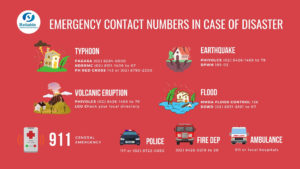
- Communication Devices: Battery-operated or hand-crank radio, emergency contact list, and a fully charged mobile phone.
- Tools and Safety Gear: Multi-purpose tools, whistle, duct tape, and sturdy gloves.
- Clothing and Comfort Items: Extra clothes, rain ponchos, blankets, and face masks for protection against dust or smoke.
- Important Documents: Digital or hard copies of IDs, medical records, insurance policies, and emergency contacts, stored in waterproof pouches.
- Personal Items for Children and Seniors: Toys, books, or comfort objects to ease stress, and mobility aids if needed.
- For Pets: Pet food, water bowls, leash, carrier, and health records.
Step 2: Build Your 72-Hour Emergency Go Bag
Emergencies can strike suddenly. The Philippines’ Department of National Defense recommends that every family prepare a 72-hour Go Bag, a ready-to-grab kit that ensures survival and safety during the critical first days following a disaster.
Why is this important?
- Different Needs, Different Essentials: Children, seniors, and individuals with specific medical needs require tailored supplies. For example, seniors may need mobility aids, while children benefit from comfort toys.
- Faster Evacuation, Less Chaos: No need to scramble when disaster hits, just grab the bag and go!
- Survival for the First 72 Hours: Rescue efforts often take time, so your supplies will keep you safe and self-sufficient.
- Family Self-Sufficiency: Each member having their own bag prevents chaos and ensures everyone’s needs are met.
- Peace of Mind: Preparedness reduces panic and anxiety, letting you focus on safety.
Checklist for Your 72-Hour Family Go Bag:
- Water (minimum 3 liters per person)
- Ready-to-eat food and snacks
- First aid supplies
- Face masks and hygiene kits (toothbrush, soap, hand sanitizer)
- Important documents (IDs, medical info, insurance papers)
- Battery-powered radio and power banks
- Clothing, rain gear, and blankets
- Flashlights and extra batteries
- Communication list and emergency contacts
- Medications and special needs items
- Pet supplies (if applicable)
Step 3: Prepare for Every Family Member—Including Pets
Cover Every Member’s Needs:
- Children: Favorite toys, snacks, extra clothes, and comfort items.
- Seniors: Medications, mobility aids, and easy-to-wear clothing.
- Pets: Pet food (minimum of 3 days’ supply), water, leash, carrier, and health records.
Storage Tips:
- Use durable, waterproof, and tear-resistant bags, such as backpacks, duffel bags, or plastic storage containers.
- Store the bags in an accessible, safe location known to all family members.
- Regularly check and update supplies (replacing expired food, medicines, and batteries every six months).
For Families in Local Communities:
Coordinate with neighbors to create shared emergency supplies or community kits. Remember, emergencies affect everyone—working together enhances safety.
Why Your Emergency Readiness Matters
Assembling a Grab-and-Go Bag isn’t just about having supplies; it’s about equipping your family to face adversity with confidence and control. Being ready reduces stress, saves precious time during evacuations, and can even save lives.
Don’t wait, start today! Source local items, personalize your checklist, and involve every family member in the process. The peace of mind that comes from knowing you’re prepared is invaluable when faced with the unexpected.
You can’t control when a disaster strikes, but you can control how ready you are.
Contact Information for Inquiries and Support
If you have any questions or need assistance with your insurance, feel free to reach out to us:
- Call: +63 2 8631 9285 to 86
- Mobile: +63 917 138 5120
- Email: info@reliable-insurance.ph
- Messenger: m.me/reliable.insurancebrokersph
Sources:
- Be Prepared: Build your 72-Hour Go Bag Now! (n.d.). GOVPH. https://tinyurl.com/y392mt2s
- How to build emergency Go-Bags | ABS-CBN Metro.Style. (2025, January 13). ABS-CBN. https://www.abs-cbn.com/lifestyle/wellness/2025/1/13/how-to-prepare-a-go-bag-for-disaster-preparedness-1452
- Medicare Plus Inc. (2024, November 28). How to prepare an emergency Grab-and-Go bag for typhoon and other calamities - Medicare Plus Inc. https://medicareplusinc.com/articles/how-to-prepare-emergency-grab-and-go-bag-for-typhoon-and-calamities/#:~:text=least%2072%20hours.-,Essentials,Map%20of%20the%20area
- Riquier, A. (2025, January 10). What’s a “financial go bag?” Everything you need for your money when disaster strikes. USA TODAY. https://www.usatoday.com/story/money/personalfinance/2025/01/09/you-need-a-go-bag-for-finances/77544001007/