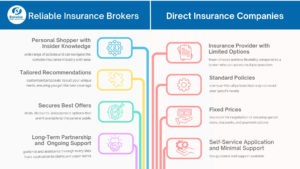



When it comes to securing the right insurance coverage for your business, understanding the difference between an insurance agent and a broker can significantly impact your decision-making process. While both are licensed professionals committed to helping you navigate the complex world of insurance, brokers offer unique capabilities that agents simply cannot match. Here are five key things a broker can do that an insurance agent typically cannot.
Brokers Work for You, Not the Insurance Company
What a broker does: A broker’s primary duty is to act in the best interest of the client. They work independently to assess your specific needs and seek out insurance solutions from a wide range of carriers, ensuring you get the most suitable coverage at the best price.
What an agent does: An agent represents one or more insurance companies, selling policies from their assigned carriers. Their recommendations are limited to the options available within their insurer relationships.
Why it matters: This independence allows brokers can provide unbiased advice, comparing multiple policies across different providers to find the best fit for your unique risks and budget; something an agent cannot do since they are tied to specific insurers.
Get Coverage Options Beyond Standard Markets
What a broker does: Brokers can tap into a vast network of global and local insurers, including niche or specialized carriers that agents may not have access to. This broader reach allows them to find coverage for complex or unique risks that might be difficult to insure through standard channels.
What an agent does: Agents are limited to the policies offered by the insurers they represent. Their options are confined to the coverage plans provided by those specific companies.
Why it matters: Businesses facing specialized risks such as cyber threats, environmental hazards, or unique industry exposures benefit from a broker’s ability to source tailored policies that may not be accessible through a single insurer or agent.
Provide Expert Analysis and Prevention Strategies
What a broker does: Brokers spend significant time analyzing your business operations and risks, offering strategic advice on risk management and mitigation. They aim to reduce your overall risk exposure, potentially leading to lower premiums and fewer claims.
What an agent does: While agents can explain policy coverage, their focus is primarily on selling policies from their insurers. They typically do not engage in in-depth risk analysis or mitigation recommendations.
Why it matters: A broker’s expertise in risk intelligence helps you understand vulnerabilities and implement proactive measures, ultimately protecting your business and potentially reducing insurance costs.
Your Advocate During Claims and Disputes
What a broker does: When a claim or dispute arises, brokers act as your advocate, guiding you through the process efficiently and effectively. They have experience in negotiations and can push for a fair settlement when insurers may be hesitant or slow to pay.
What an agent does: Agents facilitate the sale but have limited involvement once the policy is in force. They typically do not advocate on your behalf during claims or disputes.
Why it matters: Having a dedicated advocate can make the difference between a quick, fair resolution and prolonged disputes, while reducing stress and financial impact during challenging times.
Offer Continuous Policy Review and Tailored Coverage
What a broker does: Brokers provide continuous support, reviewing your coverage regularly to adapt to changes in your business environment. They can recommend policy adjustments, additional coverages like cyber or employment practices liability, and handle renewals with a strategic perspective.
What an agent does: Agents usually focus on initial policy sales and renewals within their insurer’s offerings. They may not proactively suggest new coverage options unless prompted.
Why it matters: A broker’s ongoing management ensures your insurance program evolves with your business, maintaining optimal coverage and cost-efficiency over time.
Conclusion
Insurance agents serve an important role, but brokers provide a broader, client-first approach that delivers greater access to coverage, specialized expertise, and dedicated advocacy. If you want insurance solutions designed around your business, not limited by a single provider, consider partnering with Reliable Insurance Brokers. We can help you secure the right protection, reduce risks, and gain peace of mind in a constantly changing business environment.
Contact Information for Inquiries and Support
If you have any questions or need assistance with your insurance, feel free to reach out to us:
- Call: +63 2 8631 9285 to 86
- Mobile: +63 917 138 5120
- Email: info@reliable-insurance.ph
- Messenger: m.me/reliable.insurancebrokersph
Sources:
- Insureon. (2023, September 22). Insurance agent vs. broker: What’s the difference and how to find the right one. https://www.insureon.com/small-business-insurance/insurance-agent-broker
- McGrath, E. K. (2023, March 1). Top ten ways an insurance broker can avoid liability. NAPA. https://www.napa-benefits.org/insurance-agent-interests/top-ten-ways-an-insurance-broker-can-avoid-liability
- Niki. (2023, July 10). 5 Ways Insurance agents Can Be Better Business Owners | AgentSync. AgentSync. https://agentsync.io/blog/producer-management/5-ways-insurance-agents-can-be-better-business-owners
- What is an insurance broker? (n.d.). Howden Insurance. https://www.howdengroup.com/uk-en/what-is-an-insurance-broker