

Vaping was touted as a viable alternative to smoking tobacco products and as the first step to kicking the habit. Alternatively called e-cigarettes, vaping has since become a popular pastime, especially among more than a million young Filipinos, with a valuation of over US$100 million in 2023.
Unknown to many, vaping risks are real, and many users overlook the health risks linked to vaping, which can be stronger than those from ordinary cigarettes.
The Mechanisms of Vaping
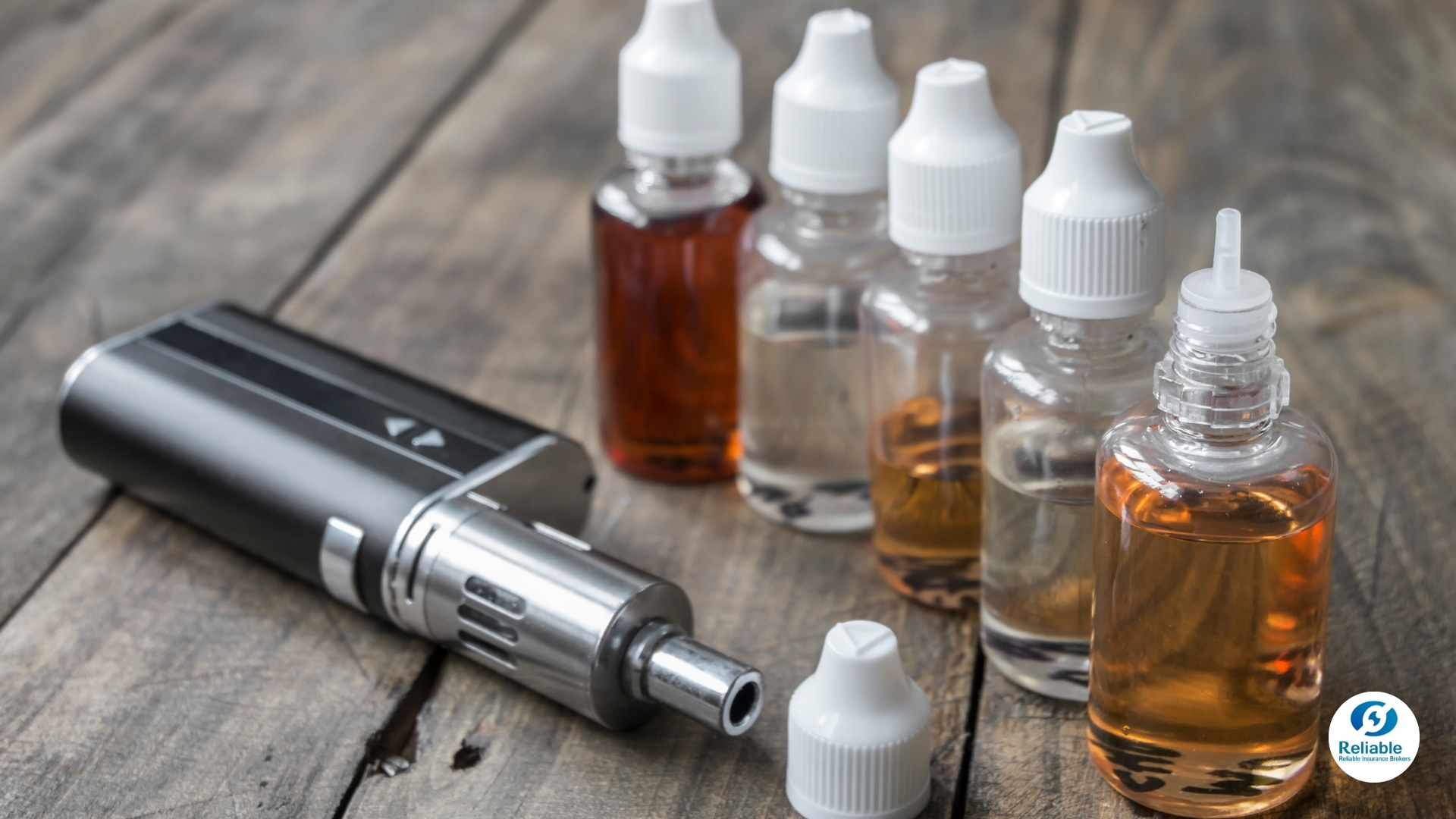
Vaping, sometimes called e-cigarettes, involves using a handheld electronic device, also known as pens or mods, to inhale a mist of often flavored liquid. The device heats the liquid into an aerosol form, which the user inhales through the mouth and into the lungs. A battery provides the power that heats the liquid, with some versions featuring a rechargeable power supply while others are disposable.
The liquid vaporized in a vape device is not water. The liquid in vape devices contains chemicals that pose health risks. It is a chemical compound that contains nicotine and a flavoring that gives vape smoke its distinctive, often candy-like scent, depending on the preference of the user.
Common Health Risks of Vaping
As the US Centers for Disease Control (CDC) stated, “no tobacco products, including e-cigarettes, are safe.” Here are several common health risks vaping may cause to its users:
- Nicotine Addiction. Marketed to help get rid of nicotine addiction, one of the biggest vape risks is nicotine addiction because the liquid still has the substance, and some mixes have more potent amounts than ordinary cigarettes.
- Toxic Ingredients. Aside from nicotine, e-liquids can contain heavy metals like tin and lead, volatile organic compounds, and industrial chemicals that pose health risks when inhaled.
- Pregnancy Risks. Despite the marketing, vaping is still smoking, and the liquid has nicotine, a substance proven to harm pregnancies. Additional chemicals in the mix may also put the fetus at greater risk.
- Damage to Lungs and Other Organs. Some components in the e-liquid, like two types of glycols, diacetyl, and acrolein, can harm your organs, especially the lungs.
- Cancer. The liquid for vapes may contain substances linked to cancer, such as formaldehyde and acetaldehyde.
Uncommon Risks of Vaping
- Battery Issues. Most, if not all, vape machines use a lithium-ion battery to provide power for heating the liquid into an aerosol. Such batteries can explode if damaged or immersed in water.
- Unknown Ingredients. While the common ingredients of vape liquids are known - nicotine and a flavoring - there could be other materials you do not know about, including ones that are harmful or cause worse addictions.
- Misconceptions. Vaping culture and marketing for the products have brought several misconceptions.
A Habit of Safety
Vaping is relatively new, and science does not have the full picture of how the habit can put you and your loved ones at risk. That being said, it involves nicotine and inhaling substances through the mouth to the lungs, which are known mechanisms.
Regular checkups and immediately seeing a doctor or other medical specialist for any arising symptoms is a good habit, especially if your family has a history of certain lung and mouth-centered diseases like asthma or cancer. Certain insurance plans can give you the coverage you need to deal with any health risks vaping brings.
Your Reliable Insurance Brokers are ready to provide you with advice on the best policies for handling the health risks of vaping and other traditional tobacco products like cigarettes and cigars.
Contact Information for Inquiries and Support
If you have any questions or need assistance with your insurance, feel free to reach out to us:
- Call: +63 2 8631 9285 to 86
- Mobile: +63 917 138 5120
- Email: info@reliable-insurance.ph
- Messenger: m.me/reliable.insurancebrokersph
Sources
- Center for Disease Control (2025, January 31), Health Effects of Vaping,
- Johns Hopkins Medicine (No Date), 5 Vaping Facts You Need to Know.
- Cleveland Clinic (No Date), Vaping (E-Cigarettes).
- Lockton (2025, February 4), The Philippines' Vaping Epidemic.
- National Nutrition Council (2022, March), The Risks of Vaping.