

Big problems with the places we live and work are easy to identify, if not easy to fix. But what about minor structural issues? They often go unseen or unattended. What’s a small crack or a little leak? So what if the door jams a little?
We don’t realize that these small issues could point to deeper structural problems in our houses or buildings. If left unattended, they could lead to bigger, costlier problems.
We take a look at some of them so you have ample warning and can hopefully address them while the issues are still small.
Wall Cracks: When Should You Be Concerned?
Who hasn’t seen cracks on a wall? Especially in a country where earthquakes are common, this is probably the most common structural damage we see. It’s less concerning if it’s a usual vertical crack and no more than 1/16 of an inch.
You should attend to even these “safe” kinds of damage because they already suggest some form of structural weakness. But you should be especially concerned when cracks are more than 1/4 of an inch and/or when they’re horizontal. These could indicate greater damage to the wall’s structural integrity or the building’s foundations, putting the entire structure at risk of collapse.
Additionally, cracks around doors and windows should be addressed as soon as possible. They suggest unusual movement in your property’s structure, which could point to a weakened or even compromised state.
Stuck Doors and Windows: A Possible Warning Sign
When you discover that a door or window that normally opens easily no longer does so, especially if it’s getting stuck, you should immediately call for an assessment of your property’s structural soundness.
Doors and windows are designed to fit and operate within specific openings in your property. If they are getting stuck, that could mean the structure of your house or building has shifted enough to misalign the door or window. If not attended to promptly, the damage could lead to losses bigger than just a door or window replacement.
Cable Management: Avoiding Electrical Fire Hazards
Homes and offices are filled with appliances and gadgets that need somewhere to plug in, but yours only has so many. More often than not, we end up using too many extension cords and expander plugs to slot them all in.
While this arrangement can meet the power needs of your appliances and gadgets, it is also dangerous, especially if you create what’s called an “octopus,” with multiple gadgets and appliances plugged into one socket. This is a fire hazard, and overloaded sockets have caused fires in homes and buildings.
Uneven Floors and Sagging Roofs: Signs of Structural Problems
We take for granted the state of our floors because it’s just something we walk on. But in homes and buildings, uneven floors could suggest structural damage because floors are designed to remain level. If they are not, something could be wrong with whatever they are attached to. This could mean weakened walls or, if the floor is at ground level, damage to your property’s foundations. This could point to more serious structural issues, including damage affecting walls or foundations. A qualified professional should assess significant or worsening cracks.
The same goes for roofs that show obvious sagging. Like your floor, the roof is supposed to remain level. If it isn’t, that suggests something is wrong with its support structures. Your roof is a load-bearing part of your property, so if it fails, you could be exposed to the elements, while the collapse could also cause greater damage below or even injure people.
Water Stains: A Sign of Moisture or Structural Damage
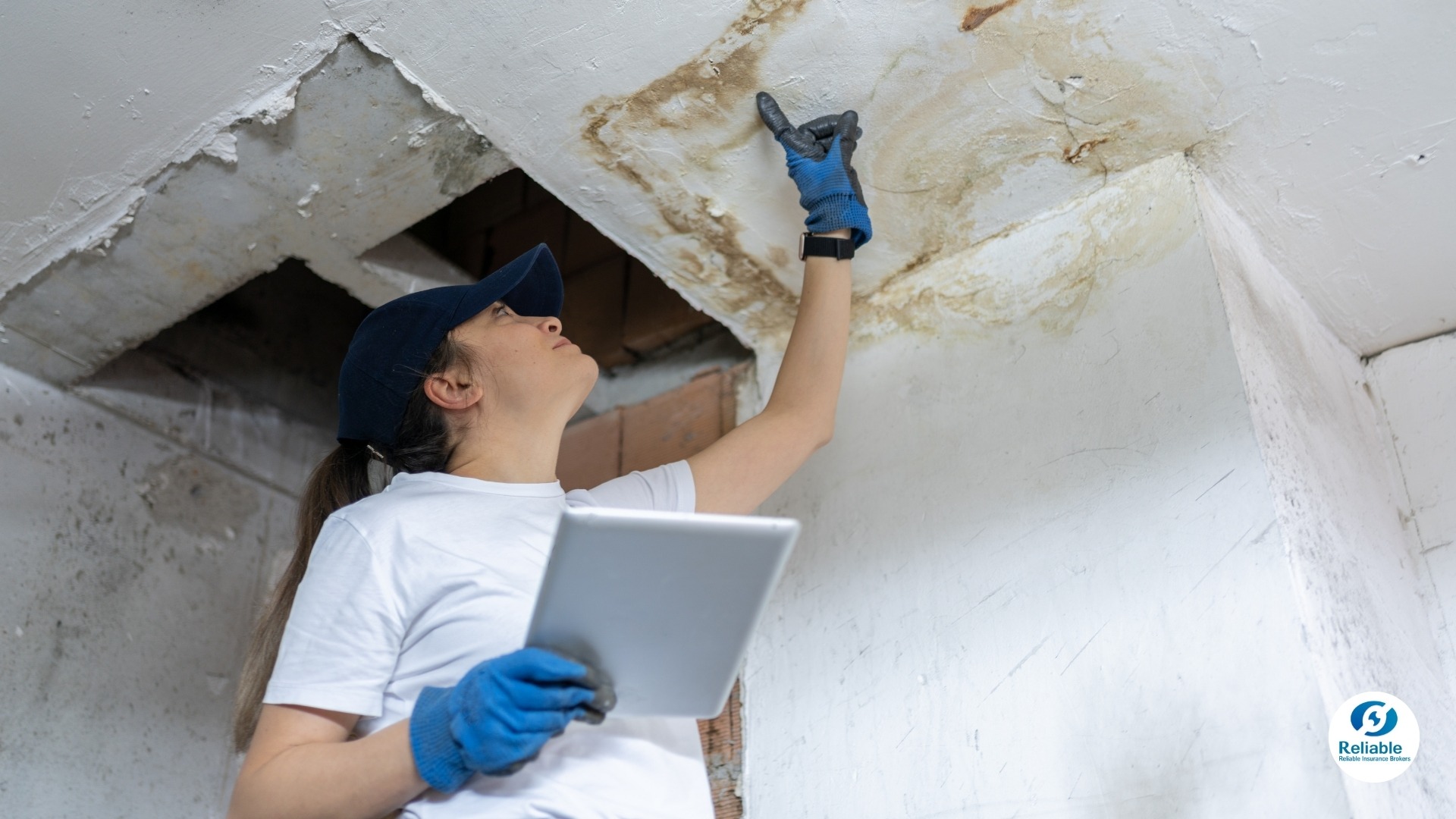
Recurring or consistent water stains on walls or ceilings could result from simple roof leaks, but they can also lead to structural weaknesses in walls. Persistent moisture can weaken building materials over time, and, if left unattended, that stain on a wall or ceiling could lead to greater structural damage or even collapse.
Additionally, moisture can create conditions where organisms such as mold, fungi, and bacteria thrive. Aside from aggravating the structural damage, these are known health hazards to occupants, including pets.
Protecting Your Property From Unexpected Risks
These are issues you can still see and hopefully address in time. But what about problems you don’t detect or something more sudden? Like a habagat event that unexpectedly brings heavy rain for weeks, causing your property to flood? Or an earthquake, which we cannot predict?
Insurance is designed to help you deal with unexpected events. You pay for coverage against events you hope won’t happen. The idea is that, if they do happen, you have coverage. At the very least, insurance could help you recover from some of the financial losses, and some plans even assist in assessments of dangers and other challenges your property faces.
Reliable Insurance Brokers helps you find the right plan to fit your budget and needs. Call today to start your selection and approval process.
Contact Information for Inquiries and Support
If you have any questions or need assistance with your insurance, feel free to reach out to us:
- Call: +63 2 8631 9285 to 86
- Mobile: +63 917 138 5120
- Email: info@reliable-insurance.ph
- Messenger: m.me/reliable.insurancebrokersph
Sources
- Exactus Engineering (2026, April 10), Signs of Structural Damage in Homes and Commercial Buildings. https://www.exactusengineering.com/resources/signs-of-structural-damage
- Nova (2026, March 16), Structural Repairs: Everything You Need to Know. https://novaconstructionservices.com/blog/structural-repairs-everything-you-need-to-know/
- Remedial (No date), Structural Issues. https://remedial.com.au/understanding-your-issues/structural-issues/