


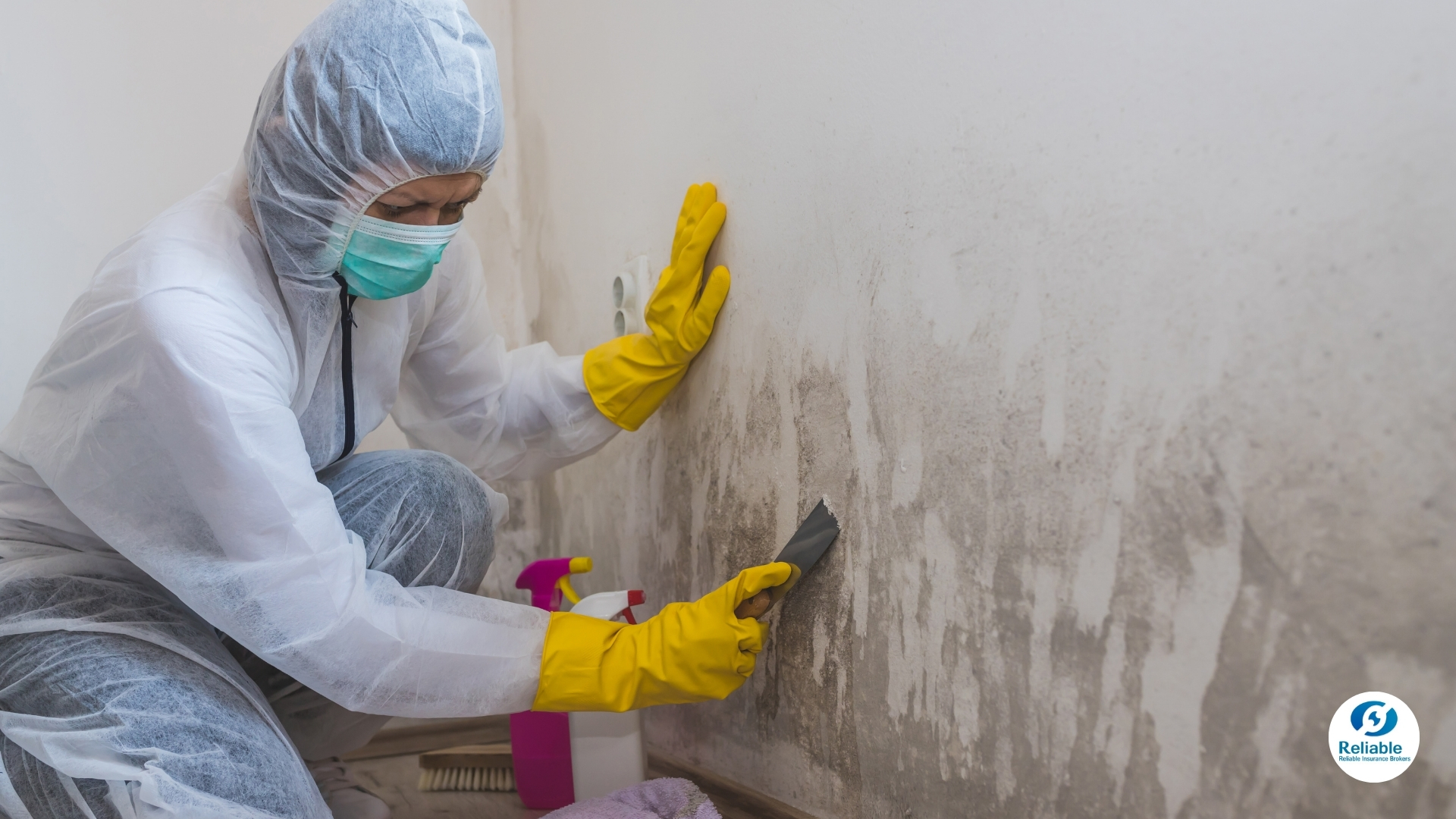
August is Lung Month in the Philippines, a time to raise awareness on diseases that threaten your respiratory health. During the rainy season, storms and floods increase not only the risk of leptospirosis but also mold-related allergies and infections. Mold spores affect the lungs and can cause anything from mild asthma attacks to life-threatening infections like aspergillosis.
Molds and Their Health Risks
A mold is a type of fungal growth. It loves damp areas, which is why it grows the most in the parts of your house or building where there is any kind of water damage, like that from floods or heavy rains. Molds propagate through spores. These are often carried in the air and grow when they land on suitable surfaces, such as water-soaked walls and wooden parts of buildings.
These spores are responsible for many of the symptoms and ailments associated with molds. When you inhale these spores, they can cause anything from mild allergic symptoms to coughing up blood clots. If a person has certain complications, they can even be fatal.
One type of mold infection is aspergillosis, caused by the mold Aspergillus. While most people develop only allergic reactions to the mold, the most serious form, called invasive aspergillosis, occurs when the infection spreads to blood vessels and the brain.
Common symptoms of mold-related allergies include colds, coughing, and a worsening of asthma. Aspergillosis and other more serious infections can have symptoms like fever, chest pains, and even coughing up blood. People with lung-related ailments and weakened immune systems can be most vulnerable to mold infection.
How to Manage Mold in Your Property
The most effective way to deal with mold-related allergies is to remove the person from the affected location, especially if they have respiratory issues or have a weakened immune system. You can also fix the affected area.
Here are some practical ways to deal with mold in your property:
- Keep the humidity below 50%. A humidifier or keeping the AC on can help achieve this.
- Ensure proper ventilation. Keep windows open and use exhaust fans if necessary.
- Remove items and furniture that have suffered from rain or flood damage.
- Clean moldy areas with soap and water, or a bleach solution of no more than 1 cup of household laundry bleach in 1 gallon of water.
- Fix any leaks in your roof, walls, and plumbing.
If you or anyone in your family or office shows signs of allergic reaction to molds, move them away from the suspected area (molds often have a distinct smell).
If symptoms persist, if the person is in distress, or if they have respiratory ailments or weakened immune systems, seek medical attention immediately.
Safety Precautions for Handling Mold
- Do not mix bleach with ammonia or other cleaning products. This will create a poisonous gas.
- Always wear the appropriate protection when dealing with molds, like rubber gloves, waterproof footwear, and goggles.
- Do not treat fungal infections with antibiotics. Mold-related diseases are not bacterial infections.
How Insurance Supports You Against Mold
Mold growth after floods is more than a property concern. It directly impacts lung health, especially for those with asthma or weakened immune systems. This Lung Month, take steps to protect both your home and your lungs. Address damp areas quickly and secure insurance coverage that supports treatment and recovery. Reliable Insurance Brokers provides property and health insurance options, plus expert advice, so you stay protected throughout the rainy season and beyond.
Contact Information for Inquiries and Support
If you have any questions or need assistance with your insurance, feel free to reach out to us:
- Call: +63 2 8631 9285 to 86
- Mobile: +63 917 138 5120
- Email: info@reliable-insurance.ph
- Messenger: m.me/reliable.insurancebrokersph
Sources
- Center for Disease Control (2024, Sept. 6), Mold.
- Mayo Clinic (No Date), Aspergillosis.
- Breathe, via the National Library of Medicine (2017. Dec. 13), Mould, damp and the lungs.
- Medical News Today (2024, Nov. 15), What to know about mold in the lungs.