


Fire Protection Month in the Philippines serves as an important reminder of our collective responsibility to prevent and respond to fires, especially in high-density condominiums. With many Filipinos living in condo buildings, understanding who is responsible for fire safety and prevention is crucial. The responsibilities are divided among unit owners, the condo corporation, and tenants, each playing a unique role in safeguarding lives and property. This article explains the responsibilities of unit owners, condo management, and tenants and how their actions support fire safety and prevention in condominium buildings.
Unit Owner Responsibility (The Owner)
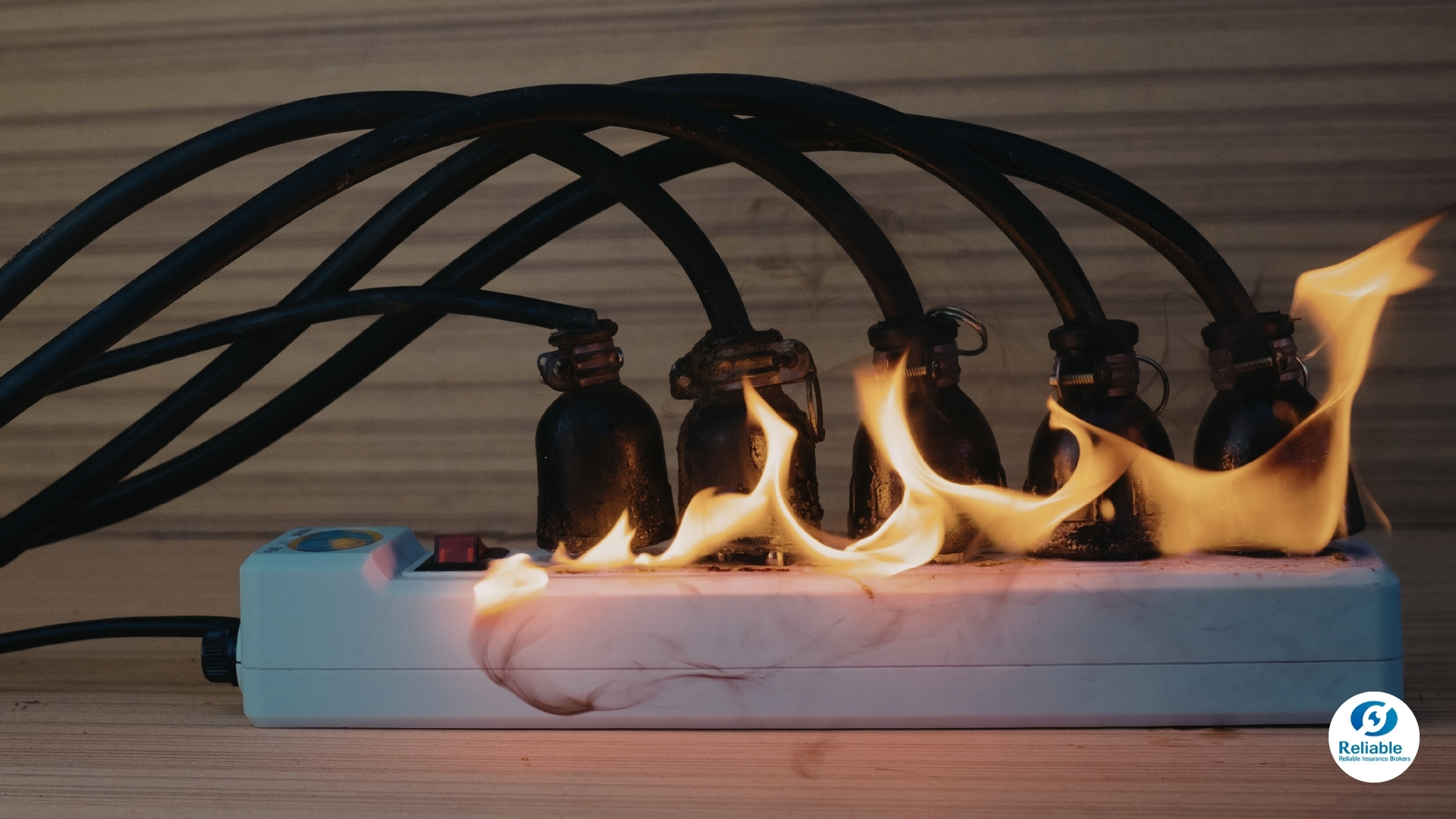
The condo unit owner holds the title to their private space, often referred to as “paint to paint,” and bears primary responsibility for fire safety within their unit. The unit owner is the first line of defense against fires. They must ensure that electrical wiring, appliances, and heating devices are in good condition to prevent electrical fires and overheating. Regular inspection of wiring, avoiding overloading outlets, and proper use of appliances are vital.
Additionally, unit owners should be familiar with fire safety protocols, such as maintaining working smoke detectors, fire extinguishers, and clear escape routes within their units. They are also responsible for maintaining their interior spaces, such as avoiding clutter that could block exits or become fuel for fires. In case of fire hazards, prompt reporting to the condo management is essential to prevent escalation.
Condo Corporation Responsibility (The Management/Board)
The condo corporation oversees fire safety in shared areas of the building, including fire prevention in common areas such as hallways, stairwells, elevators, and fire exits. Managed by the Board and property management team, the corporation’s role is to enforce fire safety regulations, conduct regular fire drills, and ensure that fire detection and suppression systems are fully operational.
Their responsibilities include maintaining fire alarm systems, sprinkler systems, emergency lighting, and fire extinguishers in common areas. They must also coordinate with local fire authorities for inspections, compliance, and emergency preparedness plans. Ensuring clear signage, accessible fire exits, and regular fire safety training for residents are part of their duties. Failing in these areas can lead to violations under the Fire Code of the Philippines and compromise everyone’s safety.
Tenant Responsibility (The Occupant)
Tenants, or residents who lease the units, also share responsibility for fire safety. Their duties include adhering to building rules, such as not tampering with fire safety equipment, avoiding smoking in prohibited areas, and avoiding overloading electrical outlets. Tenants should also participate in fire drills and familiarize themselves with emergency evacuation procedures.
In the event of a fire, tenants are responsible for following safety protocols, such as using designated fire exits, assisting neighbors when possible, and reporting hazards immediately. Maintaining a clean and clutter-free interior, especially near exits and electrical wiring, helps reduce fire risks. Being vigilant and cooperative with building management ensures a safer environment for everyone.
Relating Responsibilities to Fire Safety and Prevention
Understanding these roles helps residents see how shared responsibility strengthens fire prevention efforts during Fire Prevention Month. For example:
- Unit Owners: Must prevent electrical fires by proper wiring and avoiding overloading circuits.
- Condo Management: Ensures fire detection and suppression systems are regularly maintained and that residents are trained on emergency procedures.
- Tenants: Contribute by following safety rules, avoiding hazards like unattended cooking or improper disposal of combustible materials.
Together, these responsibilities create a comprehensive fire safety system within condominiums. Education campaigns during Fire Prevention Month reinforce each party’s role and encourage proactive measures such as installing smoke alarms, conducting fire drills, and keeping escape routes clear.
Why Starting Early Gives You the Advantage
Living safely in a condominium is not only about modern amenities or a prime location. It also requires shared responsibility. When unit owners, condo management, and tenants work together, they create a resilient community where fire risks are minimized and emergency responses are swift.
Starting with awareness during Fire Prevention Month can spark lasting safety habits. Whether it’s a unit owner checking wiring, management maintaining fire systems, or tenants following safety rules, each action contributes to a safer community.
Remember, fire safety is a collective effort. The more everyone understands their responsibilities and commits to proactive measures, the stronger and safer our condominiums become. So, take this month as an opportunity to prioritize fire prevention because safety begins with awareness and shared responsibility.
Contact Information for Inquiries and Support
If you have any questions or need assistance with your insurance, feel free to reach out to us:
- Call: +63 2 8631 9285 to 86
- Mobile: +63 917 138 5120
- Email: info@reliable-insurance.ph
- Messenger: m.me/reliable.insurancebrokersph
Sources:
- Dalida, L. (2024, April 23). Beyond the walls: The Philippine Condominium Corporation Framework. AllProperties. https://www.allproperties.com.ph/beyond-the-walls-the-philippine-condominium-corporation-framework/
- Duties of a condominium corporation | Key condo management. (n.d.). Key Condo Management. https://www.keycondo.ca/practice/duties-of-a-condominium-corporation
- Federal Land, Inc. (2025, November 10). Condo Owner rights and responsibilities - Federal Land, Inc. Federal Land. https://federalland.ph/knowledge-hub/condo-owner-rights-and-responsibilities/
- Responsibilities of being condo unit owners. (n.d.). Bank of the Philippine Islands. https://www.bpi.com.ph/about-bpi/news/condo-unit-owner-responsibilities
- Smith, S., & Smith, S. (2025, July 30). Tenants’ legal responsibilities for repairs and maintenance. The Independent Landlord. https://theindependentlandlord.com/tenant-responsibilities/
- Tenants’ legal rights & duties. (2025, October 18). Justia. https://www.justia.com/real-estate/landlord-tenant/information-for-tenants/