


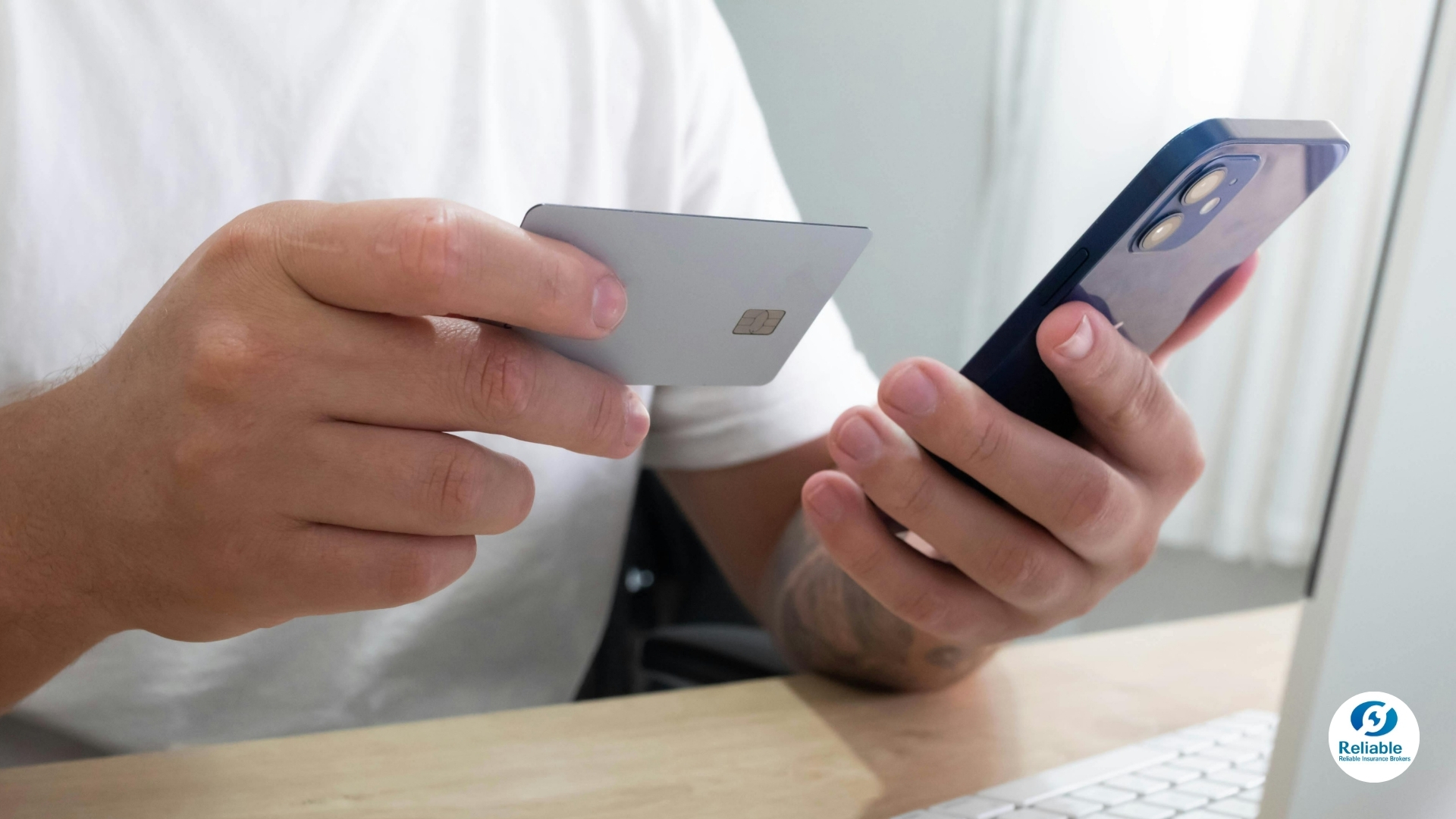
Buying and selling online grew during the pandemic, and even now that people are free to go around, many still buy and sell online. The growth of digital banking systems, from major banks to platforms like Maya and GCash, has led Filipinos to become familiar with paying bills and doing financial transactions online.
With large volumes of money and goods handled online, digital crime in these industries has also grown. Often called e-commerce fraud, billions of pesos are lost to online scams and other illegal activities.
Common Digital Scams
Some of the more common kinds of e-commerce fraud in the Philippines include:
- Phishing happens when a scammer tries to obtain your passwords and personal information. This is often done through fake emails, texts, or even calls. It is one of the fastest-growing digital threats in the Philippines.
- Identity Theft involves the illegal acquisition and use of your personal and financial information to commit unlawful activities. Phishing is often the method used for this, but you can also fall victim to fake websites posing as legitimate ones, sign-up sheets, or someone illegally using your credit card after seeing its CVC, or the three numbers at the back of the card.
- Seller Fraud appears in many forms, from simple chargeback fraud to more complex triangulation methods involving a fake seller, a stolen credit card, and an unsuspecting buyer.
- Fake Goods are also common, with many Filipinos paying for items in online marketplaces and receiving substandard goods, fake products, or nothing at all. This type of fraud does not require technical training or social engineering skills, unlike phishing. Often, an image of a popular item is enough.
- Rider theft is relatively new, although stories have circulated for years. This happens when the delivery rider steals your purchase and resells it online. This issue can combine with other types of seller fraud.
In the United States, package stealing is common because delivery personnel can and do leave packages at doorsteps, and people, sometimes passersby or even “professional” package jackers, take the left behind items.
This is uncommon in the Philippines because delivery protocols require proof that someone at the address received the parcel.
Dealing With Digital Fraud
The Philippines has many laws that deal with most cases of online scams, with Republic Act 10175, or the Cybercrime Prevention Act of 2012, being the cornerstone of digital fraud protection. Here are some habits and actions you can take to reduce e-commerce fraud risk:
- Diligence. Make it a habit to double-check emails, websites, and other communications, no matter how legitimate they look or sound. Warning signs include website addresses, missing secure connections, and messages asking for passwords or login details.
- Transact only with trusted or legitimate businesses and people. Do business only with people and businesses that have the hallmarks of legitimacy: a verified badge for informal sellers in online marketplaces, recommendations from trusted friends, and well-known official digital channels. While these can still be hijacked or fooled, you have less chance of being scammed through such mechanisms.
- Habit. Never give your passwords, financial information, or personal details to anyone without a legitimate business reason to do so. Even then, like with sudden phonecalls from supposed customer relations staff, ask for verifications of legitimacy before giving the information being asked.
Getting Stronger Protection
The insurance industry continues to evolve its offerings to give you better protection beyond traditional life and non-life products. One of the newer offerings is insurance plans protecting you from e-commerce fraud. As an example, we’ll look at Malayan’s eSecure Personal Cyber Insurance individual plan.
Malayan’s eSecure plan provides the following basic coverage:
- Electronic Fund Transfer Fraud (EFTF). This is for fraud and scams involving online banking emails and text messages, digital wallets, and unauthorized debit/credit card charges.
- Online Retail Fraud, after 30 days of non-delivery of items.
- Identity Theft. Coverage for financial loss and expenses from illegal use of your personal information.
- E-Commerce Purchase Protection. For accidental loss of, or damage to, items purchased within 30 days.
- Lost or Stolen Card. To help you deal with unauthorized purchases.
- ATM Cash Protection. Aside from protection from loss of your cash due to robberies, the plan also offers first aid medical assistance and death or permanent disability compensation.
Malayan offers three plans with cost limits for the Peso amount you will be compensated for. Add-ons are available, including plans for cyberbullying, a top-up coverage for credit card fraud, and e-commerce protection deductibles.
As fraud becomes more determined and sophisticated, including the use of AI tools, coverage helps reduce financial risk from e-commerce scams. Safe habits remain your first line of defense, while insurance adds a safety net when prevention fails.
Our Reliable Insurance Brokers are ready to help you find the right e-commerce fraud plan that fits your budget and needs. Call today to start your selection and approval process.
Contact Information for Inquiries and Support
If you have any questions or need assistance with your insurance, feel free to reach out to us:
- Call: +63 2 8631 9285 to 86
- Mobile: +63 917 138 5120
- Email: info@reliable-insurance.ph
- Messenger: m.me/reliable.insurancebrokersph
Sources
- ABS CBN News (2025, December 24), Ph Authorities Urge Vigilance Vs Holiday Shopping Scams.
- Fintech News Philippines (2021, December 17), Types of E-Commerce Fraud and How to Protect Against Them.
- FinScore (2023, March 10), E-Commerce Fraud Detection and Prevention Techniques You Should Know.
- Respicio & Co. (2025, November 15), Online Marketplace Fraud in the Philippines: Legal Remedies Against Scammers.
- Philippine News Agency (2026, January 22), Phishing From Risky Urls Now Top Digital Threat In Ph.