


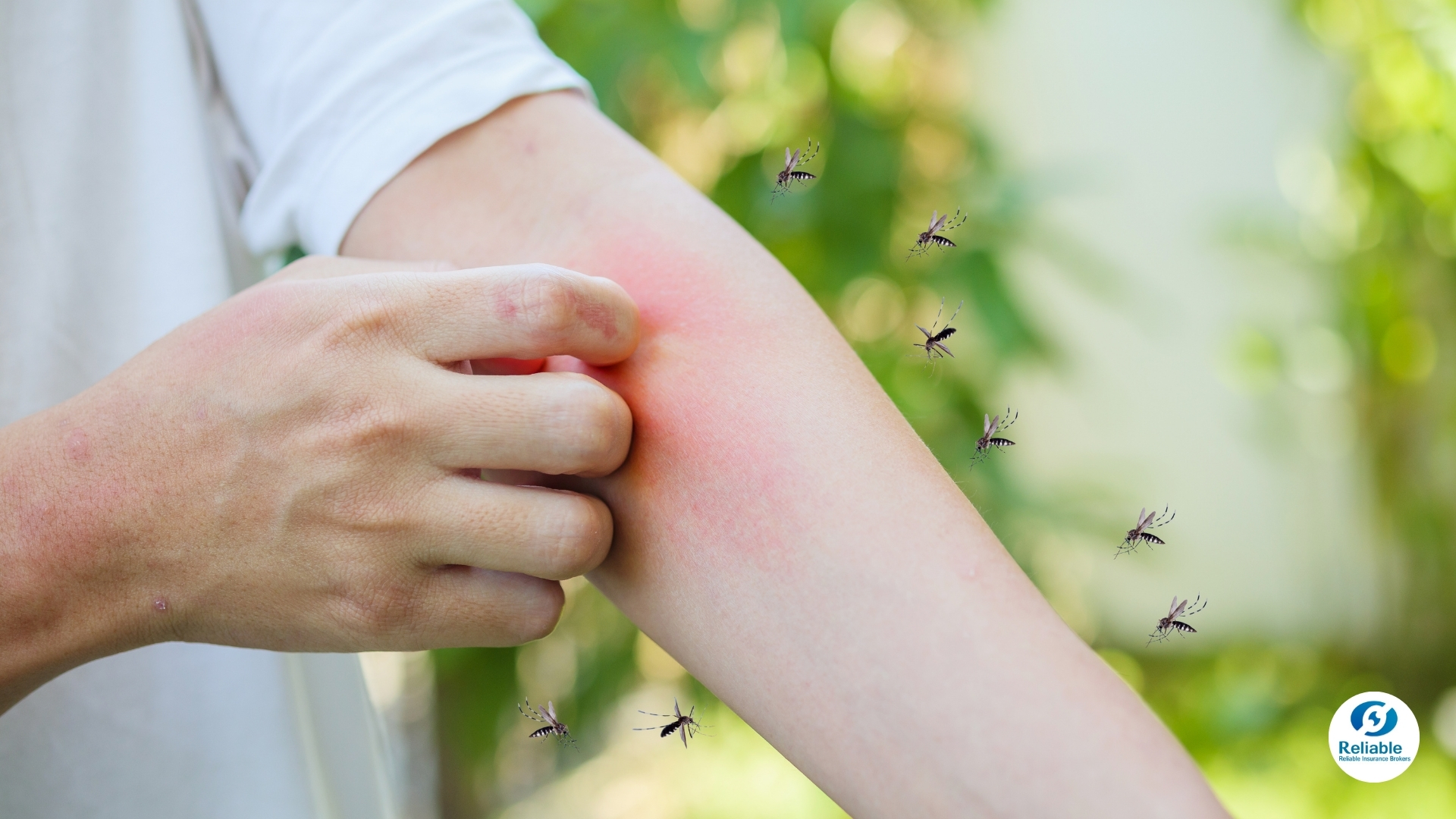
Malaria is a common communicable disease found in tropical locations. When it comes to malaria, the Philippines is high on the list of places where the ailment can be contracted by locals and visitors alike. It is a preventable disease, and we will help you understand it better, learn how to prevent malaria, and see how your insurance can help.
Causes and Symptoms of Malaria
Malaria is caused by a parasite found in the Anopheles mosquito. The parasite and its host insect are endemic to tropical climates, so they are common in countries like the Philippines. The disease is most often transmitted when an Anopheles mosquito carrying the parasite feeds on a human. Not all Anopheles carry it. Only those that feed on infected individuals do.
The disease cannot be directly transmitted from person to person. It requires the mosquito acting as a transmission vector.
Common early symptoms of Malaria include:
- Fever and flu-like illness
- Chills
- Headache, muscle aches, and fatigue
- Nausea, vomiting, and diarrhea may also occur
If not treated quickly, Malaria can become severe, leading to kidney failure, seizures, mental confusion, and coma. It can also lead to death.
When it comes to the prevalence of Malaria Philippines provinces report zero incidences of the disease except for Palawan. Through various measures, the Philippine Department of Health (DOH) aims to eradicate Malaria in Palawan by 2026.
Care and Prevention Steps
Philippine schools have long taught children to cover water sources or drain them when possible. Mosquitos like the Anopheles lay their eggs in standing water. Covering water containers like the ubiquitous balde, whether indoors or out, will go a long way to preventing the spread of malaria by stopping the spread of the mosquito that transmits it.
Another effective prevention measure is to avoid areas with high mosquito populations. A common issue when travelling, simply avoiding going to or staying where the insect is prevalent, will help ensure you do not get infected with the disease as well.
The use of insect repellent sprays is also recommended, as well as wearing loose-fitting clothing that provides good coverage, like long-sleeved shirts, pants, and socks.
Controlling your environment can also help reduce the chances of contracting Malaria. Close windows and doors, or use screens if you have to keep them open. The use of a mosquito net, or kulambo, is also highly recommended when sleeping. It is a cheap and very effective way of keeping mosquitoes from biting you and your loved ones.
Malaria is treatable. When it comes to Malaria treatment, Philippine clinics, hospitals, and drugstores are equipped to handle the disease. It is important to note the type of Malaria contracted, the probable location where the infection happened, and how serious the disease is when treatment starts.
While drugs and patient care for handling the symptoms of Malaria are available, it would be much better to get yourself and your loved ones vaccinated.
PhilHealth provides outpatient care coverage for Malaria, including for tests, medicines, and consultation.
How Insurance Protects You from Malaria
Insurance helps you deal with Malaria in several ways:
- Vaccination. Depending on your premiums, your insurance can cover the costs of getting the appropriate Malaria vaccine. If this is not part of your standard plan, be sure to ask your agent to expand your coverage to include vaccination.
- Treatment and Care. Most insurance plans already provide easy and rapid access to medical facilities at needed. Your insurance can assure you that, in case of suspicion of a Malarial infection, you can proceed to any accredited clinic or hospital to be checked. Additions to your coverage might be required for more extensive medical treatment and care.
- Emergency incidents. Most incidents of Malaria today happen during travel. If yours is local, your standard plan might be enough to cover emergency visits to any local clinic or hospital ER due to the onset of Malaria symptoms, like chills. In case you are going abroad, travel insurance will help ensure that you are covered for any emergency while in another country or territory.
Stay Protected, Stay Confident
While remaining a serious disease, Malaria is coming under control worldwide. Its symptoms are well known, and treatment for it is readily available, along with preventive measures like vaccines.
Our agents at Reliable Insurance Brokers will help make sure that you and your loved ones get the best protection with our extensive list of providers and products. Just give us a call, and we’ll help you through the selection process.
Contact Information for Inquiries and Support
If you have any questions or need assistance with your insurance, feel free to reach out to us:
- Call: +63 2 8631 9285 to 86
- Mobile: +63 917 138 5120
- Email: info@reliable-insurance.ph
- Messenger: m.me/reliable.insurancebrokersph
Sources:
- Center for Disease Control (2024, September 6), About Malaria.
- Philippine News Agency (2023, February 10), DOH to reduce malaria cases in Palawan to zero by 2026,
- APMEN (2025, September 3), The Philippines' Journey to Malaria Elimination, Through Integrated Approaches.
- PhilHealth (2025, April 25), Philhealth Covers Outpatient Care For Malaria.