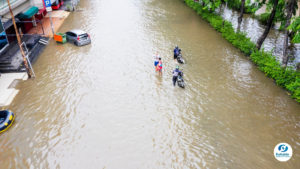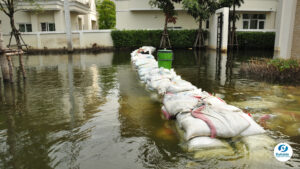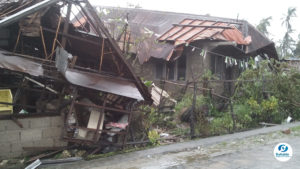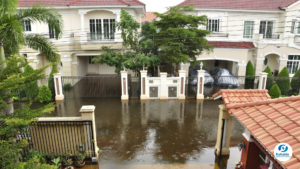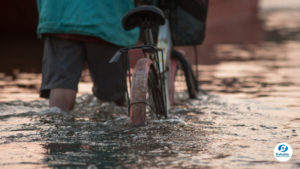
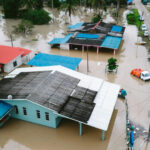

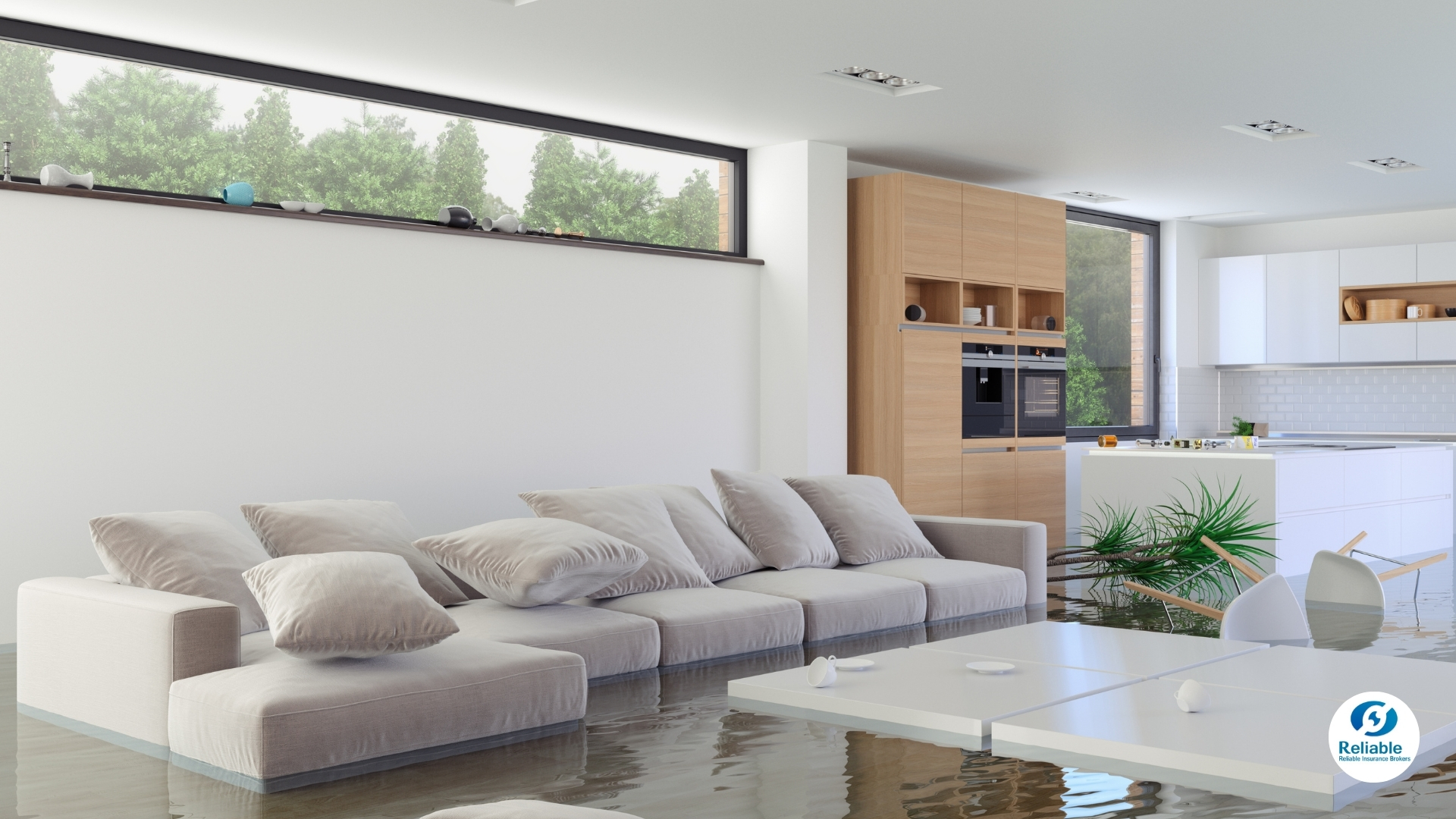
With the recent declaration by PAGASA, the Philippines’ weather bureau, on the onset of Habagat, or the Southwest Monsoon, the wet season has officially begun. This means months of heavy rainfall, an average of twenty typhoons, and threats of flooding.
While the government is chiefly in charge of flood and typhoon protection, there are several things that tenants and property owners can still, and in some cases, must do to make their homes and possessions typhoon-proof.
Storm-Proofing Tips for Property Owners
- Structural Integrity: One of the biggest concerns of property owners would be the soundness of the structure, specifically the roof, windows, and foundations. Loose roofing must be fixed and foundations sealed to prevent water from coming into the property due to leaks and seepage (respectively). Windows can become structural weak points, especially in high-rise properties, so they should be reinforced as needed.
- Private Drainage: Making your property typhoon resilient and flood-proof depends a lot on ensuring that rainwater, no matter how heavy, quickly flows out of your property. As a property owner, this means your gutters and pipes must be free from obstructions and in a good state of repair, so rainwater can easily flow into the main drainage and avoid causing damage to your and your tenant’s property due to backflows and overflows.
- Rapid Repair: In case your property still suffers damage despite your precautions, it is in your best interests to quickly effect repairs. This allows your tenants to return as early as possible (especially if you’re paying for their temporary shelter) and lets you deal with any major issues before they get any worse.
How Tenants Can Protect Themselves and Their Belongings
- Safeguard Your Personal Items: While it’s your landlord’s job to ensure your rental is as typhoon-proof as they can make it, taking care of your personal items is largely your responsibility. Propping furniture above known regular flooding levels is a good start, as well as keeping everything organized and well-stacked, making it easier to move them out of harm’s way. Keep water-sensitive equipment away from any locations with leaks or sprays (like windows) and put important documents in water-sealed containers.
- Regular Inspection: Even if your landlord conducts their own schedule of inspections, make it a habit to do regular checks of your rental, especially after a particularly strong storm, as there might be damage on the property that could leave you vulnerable to the next incident. Immediately report any discoveries to your landlord so they can attend to them.
- Make Minor Repairs and Modifications: Depending on your agreements and/or contract with your landlord, you might be allowed to make minor repairs and modifications to the property if it is necessary to help make it typhoon resilient and flood-proof, such as applying sealants to minor roof damage or cracks along walls. Having some supplies for reinforcing windows, especially in high-rise properties, could also be a good precaution.
Preparing for the Worst: Why Insurance Matters
Preparing for disasters like storms and floods is always best, but there is absolutely nothing wrong with being ready for the worst and unforeseen, such as the “typhoon train” of late 2024, when multiple storms hit the Philippines in quick succession. It’s for these circumstances that property insurance was designed.
What Property Insurance Covers During Storms and Floods
- Comprehensive Coverage: Our All-Risk Insurance (Property/Commercial/Industrial) policies offer extensive protection and financial security in the event of damage to your property from destructive storms and floods.
- Loss Recovery for Structural and Content Damage: If your property gets damaged by intense storms and floods, our policies can compensate for such loss, including for machinery, equipment, and furniture. Emergency accommodation or rental expenses can also be covered in case storms and floods render your home uninhabitable.
- Business Interruption: For business owners, our Commercial All-Risk Insurance (CAR) and Industrial All-Risk Insurance (IAR) policies cover loss of income due to business disruptions caused by extreme weather events. This includes protection against sudden and accidental physical loss, destruction, or damage, ensuring the continuity of your operations.
Important Details About Your Coverage
- Inclusions: Our Property Insurance plans cover damages caused by water and wind damage from typhoons and floods. Please note that the total coverage depends on the coverage you get, including the extensions and benefits you added to the basic plan.
- Exclusions: It's essential to be aware of specific exclusions, which may include losses due to delay, inherent defects, war-related activities, and ordinary wear and tear.
- Claims Process: To file a claim, you may need to provide documentation such as certification from your local government units, photos documenting the water and wind damage, an inventory of lost items, and any relevant affidavits. In case of building loss, claims often require cost estimates made by an engineer and/or architect, provision of relevant building permits, and production of property titles for proving ownership. Our team will assist you throughout this process to ensure a smooth experience.
For a comprehensive guide to our Property Insurance and to learn more about securing complete protection for your home or business, please visit: Navigating Property Insurance.
Tips for Choosing the Right Storm and Flood Insurance
Only you can determine the right level of protection your family and property need. Here are some tips to ensure that you get the coverage you need:
- Accurately assess your needs. Determine the value of your property and its contents to be sure about the limits of your coverage, so you will be assured adequate insurance of what you own.
- Have a thorough understanding of your policy inclusions and exclusions. Disaster protection coverage varies depending on the type of property insurance you choose. Our people at Reliable Insurance Brokers will guide you through the entire insurance process to ensure you understand the extent of your coverage.
- Consider additional coverage. Depending on your property's location and risk exposure, you may need extended coverage beyond standard storm and flood protection. We can help customize your policy to include protection from such risks.
- Regular Policy Reviews. Your property's value and risk factors change over time. Periodically review your coverage to make sure it is up to date and continues to provide the protection you need.
Get in Touch With Reliable Insurance Brokers
Don’t wait for disaster to strike. At Reliable Insurance Brokers, we’re here to help you secure comprehensive coverage that protects your home, business, and livelihood from storms, floods, and other emergencies. Get in touch with us today to find the right protection for your needs and gain peace of mind no matter what the season brings.
Contact Information for Inquiries and Support
If you have any questions or need assistance with your insurance, feel free to reach out to us:
- Call: +63 2 8631 9285 to 86
- Mobile: +63 917 138 5120
- Email: info@reliable-insurance.ph
- Messenger: m.me/reliable.insurancebrokersph
Sources:
- The Flood Hub (2022, January 28) Who is Responsible for Managing Flood Risk?
- NewsAGENT (2024, January 26), How to protect a rental property from storms and floods.
- Respicio & Co. (2024, December 19), Analyzing Liability for Property Damage in Condominium Flooding Incidents Under Philippine Law.
- Phinma Properties (2025), Understanding the Importance of Flood Insurance in Real Estate: Protecting Your Property.