
Digital payments have become a regular part of Filipino life. Even in the simplest sari-sari store in a far-flung barrio, it’s no longer unusual to see a QR code or a cardboard sign with a mobile number for online payments.
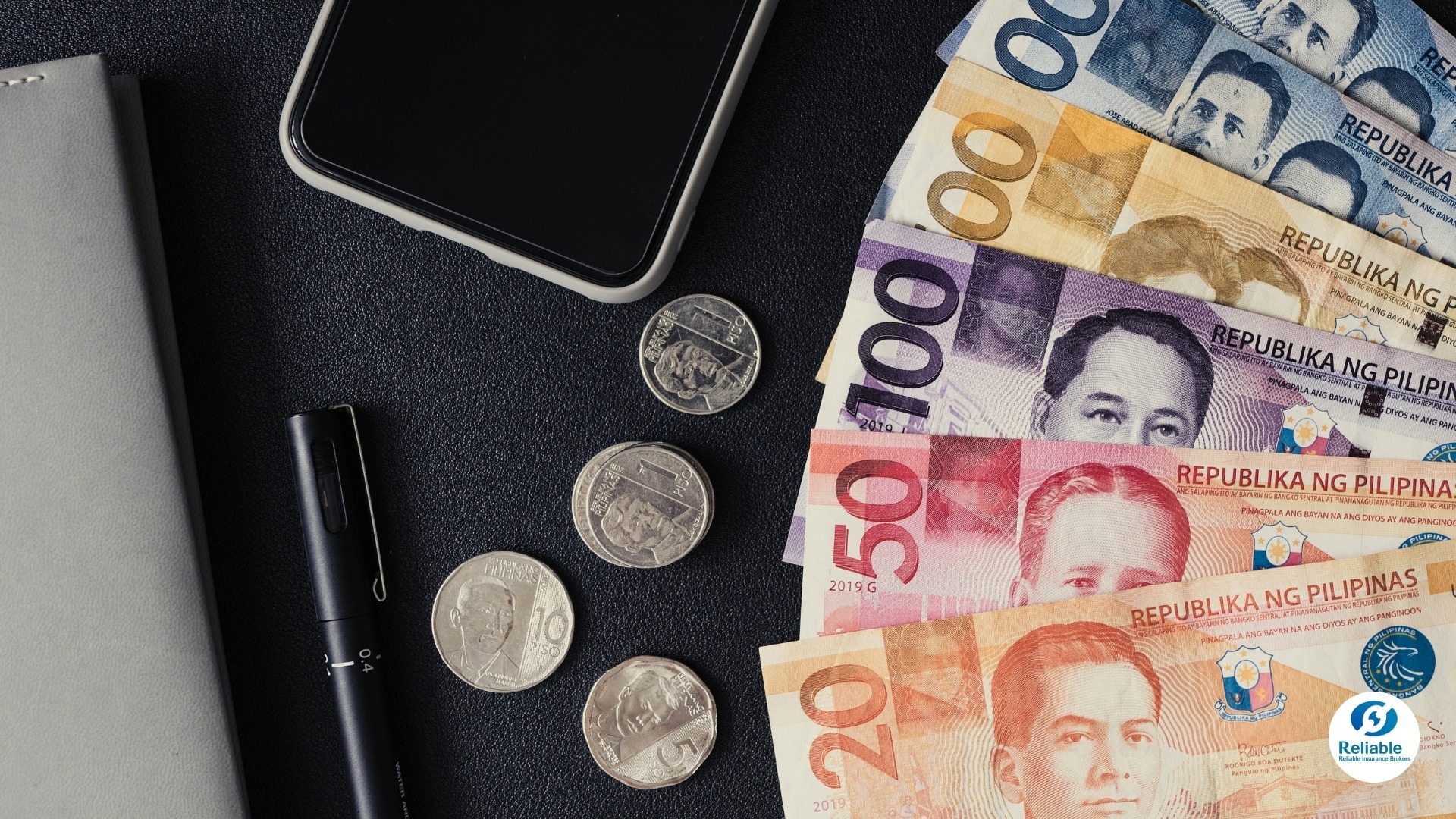
But the Philippines is still far from a cashless society. Even with e-wallets becoming more common, many Filipinos still pay in cash, whether for online deliveries, public transportation, or everyday purchases. Paper bills and coins remain a big part of daily transactions.
Both payment methods have their strengths and drawbacks. Here’s a look at how cash and digital payments compare, especially when it comes to convenience, security, and protecting yourself from theft and liability.
Digital Payments: Convenience with Added Security
Most Filipinos are familiar with e-wallets for cashless online payments, with GCash and Maya being the two most common. Many ATMs now also function as debit cards, allowing you to seamlessly pay for purchases without needing cash on hand.
Why go cashless?
- Convenience. All you need is a smartphone. No need to carry cash or coins. If they have a QR code, you can pay with no need to count bills or look for that pesky 25 centavos. Digital payments also allow easy payments for online purchases.
- Scheduled Payments. This is best for bills. Auto-debit features, when used properly, mean you don’t miss payments and the penalties they incur.
- Security. This comes in many forms: a transaction history that lets you keep track of what you paid for, reduced incidence of fraud, features that block payments beyond a certain amount or without some form of additional authorization, and preventing physical money theft.
Digital payments do have their cons:
- Requires a connection. No internet, no payment, and there are places where the signal is weak, or there is no connection at all. And some e-wallets are notorious for having connection issues when you’re about to pay.
- A different kind of physical risk. You lose your phone, you lose both your expensive gadget and your e-wallet, which can be even worse if your smartphone is stolen and thieves manage to jailbreak it.
- Cybersecurity threats. Online transactions mean more vulnerability to cyber threats, like phishing and other scams.
Cash Payments: Why Many Filipinos Still Prefer Cash
Cash remains king in the Philippines, with more than half of Filipinos still preferring the traditional mode of payment even for items they bought online. In an age of e-wallets and a Bangko Sentral aggressively pushing for cashless payments, why do we still like paying in cash?
- Digital unreliability. Even in the CBDs, digital payment apps can and do fail, often when you’re at the counter. So most people still carry cash in that not uncommon instance when the e-wallet decides to update when you’re about to pay, or there’s no signal at the basement grocery. E-payment systems can also go down, again often at the most inopportune moments.
- Not everything is digital. Everything from PUV fares, even in e-buses, to your corner sari-sari store still relies on cash payments. There’s nothing more annoying than asking if they accept GCash, and they say no, and you don’t have cash on hand.
- COD is surety. Many who use delivery services still pay in cash primarily because it decreases the risk of item theft since it hasn’t been paid for yet, and allows the buyer to inspect the items upon delivery.
The biggest con to cash payments remains its inconvenience. Coins get heavy after a few dozen, and a thousand pesos in ₱100 bills can test even the best Seiko wallet. Stores can also get very choosy when it comes to bills, sometimes refusing old or overly crinkly bills. There was even a time when stores, and allegedly even an SM Mall, refused to accept folded bills that used the new paper. That became enough of an issue that the BSP had to issue a statement.
Cash or Cashless: What Filipino Consumers Prefer
Surveys over the last few years still consistently show an almost even split on which payment mode the Filipino consumer prefers, even as “GCash” starts entering slang usage in the same vein as Colgate and Coke.
In an increasingly digital Philippines, the best practice is still to keep both payment options on hand. Many banks and merchants have started promoting debit cards, especially with better and more secure point-of-purchase gadgets. Tied to an e-wallet account and loaded only with enough funds for most payments, debit cards offer an easy and well-protected middle ground between carrying lots of cash and opening your e-wallet app for every purchase.
Ultimately, it comes down to what feels most convenient and practical for your transactions. Just remember to secure your payment methods and spend responsibly.
Protecting More Than Your Payments
Whether you prefer paying with cash or through an e-wallet, both have a place in daily life in the Philippines. Keeping both available gives you more flexibility, especially when technology fails or cash isn’t practical.
No matter how you choose to pay, protecting what you earn matters. Insurance is one of the smartest ways to protect your property, valuables, and finances from unexpected loss or damage.
If you want to learn more about protecting your property and wealth, our team at Reliable Insurance Brokers is ready to help. We’ll help you find coverage that fits your needs and your budget. Get in touch with us today.
Contact Information for Inquiries and Support
If you have any questions or need assistance with your insurance, feel free to reach out to us:
- Call: +63 2 8631 9285 to 86
- Mobile: +63 917 138 5120
- Email: info@reliable-insurance.ph
- Messenger: m.me/reliable.insurancebrokersph
Sources:
- Khalid Hassan (2025, March 15), Which Payment Method is Safer for Online Shopping: Cash or Digital Payment?.
- ABS CBN (2023, May 4), Survey: Pinoys prefer COD when online shopping.
- Manila Bulletin (2023, September 25), Consumers split between cashless and cash payments — study.
- Grab (2021, October 20), The Pros and Cons of Different Payment Methods: A Guide for Filipino Online Sellers.