

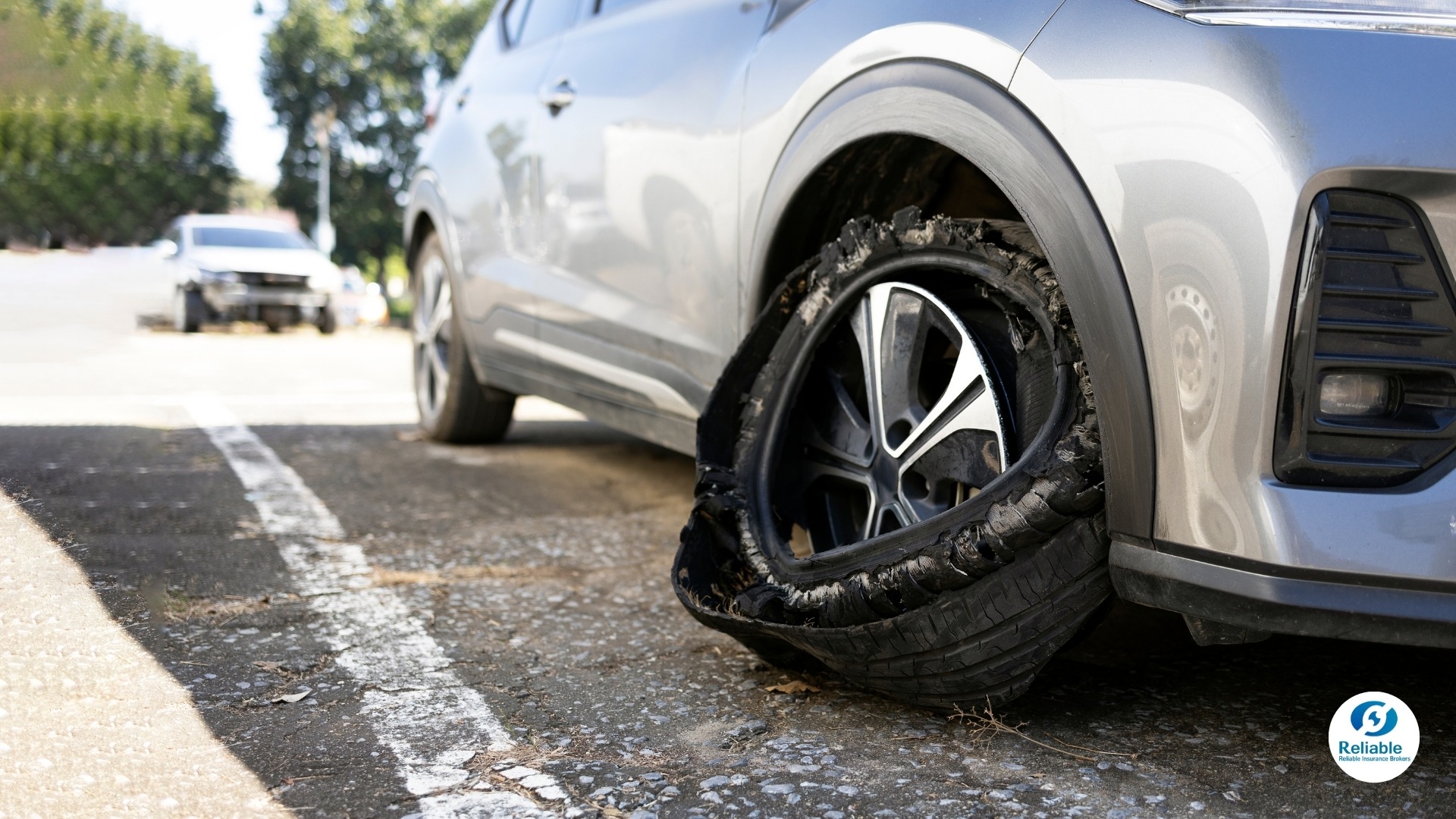
Vehicle accidents happen. Even careful driving does not remove risk. Other drivers make mistakes. Vehicle parts fail. Road conditions shift without warning.
This guide explains what happens when a passenger gets injured in a car accident. It focuses on injury cases, liability, and immediate actions after a crash.
Disclaimer: none of the below constitutes legal advice and is for educational purposes only. In case you require legal assistance for a vehicle accident, consult a duly licensed legal professional.
Immediate Steps After A Crash
Before we discuss what happens during a car accident and any liabilities you might incur, there are some basics you should and must do in such a mishap.
Aside from being the right thing to do, these “first actions” could help reduce potential liability or legal cases.
- Prioritize the safety of all involved.
- Get immediate medical assistance for anyone who needs it.
- Inform the authorities.
- Once everyone is secure, inform the police and MMDA about what happened.
- Collect contact details from all involved in the accident.
Understanding Civil And Criminal Liability
One key thing to determine after a vehicle accident is the type of liability involved: civil or criminal.
Most civil cases involve property damage and minor injuries, such as cases where a patient can leave the ER with minimal treatment or needs only a day or two of observation.
Anything life-threatening or involving major property damage can become a criminal case, often under reckless imprudence.
If passengers need resuscitation or are sent to the operating room upon arrival at the ER, you may face criminal liability.
Driving under the influence of alcohol or drugs increases liability and can make the incident a criminal case.
Liability can sometimes be reduced, especially if courts are involved, when the earlier steps are followed. Leaving the scene worsens your legal position.
Settling with the affected party does not remove possible criminal liability.
Health Coverage And Insurance Responsibility
As mentioned above, most key concerns in car accidents involve the health of those involved. Immediate medical care remains critical after a crash.
Anyone owning a vehicle in the Philippines is required to have Compulsory Third Party Liability insurance, or CTPL.
CTPL covers injuries to passengers in your car, except relatives within the second degree of consanguinity or your employees.
It may also cover certain damages and legal fees, depending on the plan.
More serious injuries may require broader coverage since most CTPL plans are basic.
Why Insurance Matters After A Crash
Insurance exists for worst-case situations. Medical bills rise fast after accidents. Hospital care, surgery, medication, and recovery place heavy financial pressure on those involved.
If someone dies, costs increase significantly.
While premiums may seem costly, worst-case expenses can exceed the cost of a plan, while benefits often outweigh the coverage cost.
Reliable Insurance Brokers helps you choose insurance plans suited to your budget and needs for vehicle accident coverage. Whatever coverage level you need, your team guides you through your options for protection against worst-case scenarios.
Contact Information for Inquiries and Support
If you have any questions or need assistance with your insurance, feel free to reach out to us:
- Call: +63 2 8631 9285 to 86
- Mobile: +63 917 138 5120
- Email: info@reliable-insurance.ph
- Messenger: m.me/reliable.insurancebrokersph
Sources:
- Moneymax (2022, July 19), Road Accident Laws Motorists Should Know.
- Lawzana (2025, November 18), What to Do After a Serious Car Accident in the Philippines.
- Remote Staff (2025, October 22), Car Owners Guide: What to Do After a Road Accident in the Philippines (With or Without Insurance)